
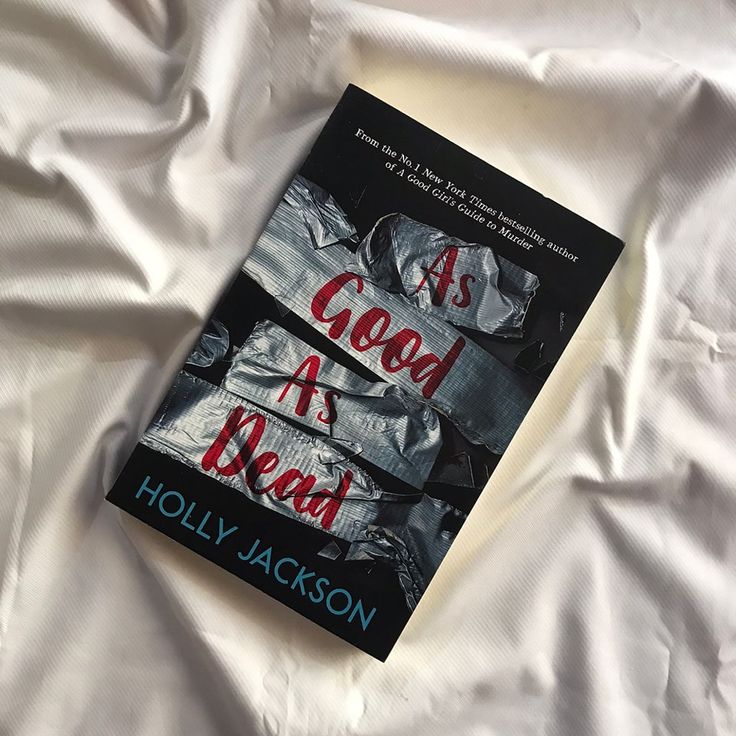
Pip Fitz-Amobi is haunted by the way her last investigation ended. Soon she’ll be leaving for Cambridge University but then another case finds her… and this time it’s all about Pip.
Pip is used to online death threats, but there’s one that catches her eye, someone who keeps asking: who will look for you when you’re the one who disappears? And it’s not just online. Pip has a stalker who knows where she lives. The police refuse to act and then Pip finds connections between her stalker and a local serial killer. The killer has been in prison for six years, but Pip suspects that the wrong man is behind bars. As the deadly game plays out, Pip realises that everything in Little Kilton is finally coming full circle. If Pip doesn’t find the answers, this time she will be the one who disappears . . .[1]
I really liked this book; although it’s not my favorite of the series, it really shows how much Pip has changed since the first book. We watch her as she struggles with mental health issues after the traumatic experiences she endured in the last book, which take a toll on her everyday activities. She starts taking Xanax pills, delt by Luke Eaton, to help her sleep, but it isn’t very effective; she stays up many nights in this book. Pip is clearly not okay in this novel, constantly imagining Stanley’s blood on her hands, and hearing the gun that shot him whenever she hears a loud noise. Although some people might say Pip’s actions seem out of character, me included, it’s kind of realistic how she turned out; losing faith in the justice system and doing things out of self-preservation, so different from the girl seeking the truth in the first book.
The plot in this book is also very well thought-out. Jamie’s disappearance in the last book, Good Girl, Bad Blood, felt like a generic sequel novel to the first, with Pip finding a new mystery to solve in her town. The stalker plotline in this book, however, brought the case close to home and added a sense of urgency to the story. Pip needs to find out who is stalking her, or she might seriously be in trouble.
The serial killer plotline, while seeming completely random, was executed pretty well. The Charlie Green plot was basically dropped from the story, his capture being mentioned in As Good as Dead, but it wasn’t a main issue. Pip is more focused on finding the identity of this other serial killer, the DT killer, who is currently stalking her and leaving messages outside her home. Nobody except for Ravi believes her when she shows distress, leading her to try and take on the case by herself, getting kidnapped by the killer in the process. The killer is revealed to be Jason Bell, Andie Bell’s father, who takes her to his company building and ties her to a shelf with duct tape, wrapping her from head to toe. She somehow finds a way to escape while Jason is gone, but realizes that nobody will believe her when she says she was kidnapped by him, and decides to take his fate into her own hands, turning around and killing Jason with a hammer.
After coming back to her senses, she calls Ravi and both of them come up with an elaborate plan to delay the decomposition of Jason’s body and make an alibi for the new time of death. Throughout the last half of the book, we watch as Pip and Ravi frame Max for the murder, who had just gotten off scot-free on rape charges, create alibis, clean the scene, and plant false evidence. The title of the first book, A Good Girl’s Guide to Murder, sounds pretty ironic at this time, since we are reading about an actual guide to murder.
Overall, As Good as Dead is a good novel that ties the whole series together nicely; Andie Bell knew about Jason being a serial killer, leading her to sell drugs and meet up with Mr. Ward to try and escape Fairview, which ultimately leads to her death. After Pip solved the case, Howie Bowers was sent to prison, where he mentioned knowing who and where Child Brunswick is, leading to Charlie Green arriving in Fairview and killing Stanley Forbes. This last installment brings the whole series full circle, explaining smaller details that weren’t fully fleshed out in the first novel.
“‘And maybe just one word of advice,” Epps said. ”…I’ve seen people in a self-destructive spiral before. . .[i]n the end, you’ll only end up hurting everyone around you and yourself. You won’t be able to help it.’”
- Jackson, Holly. As Good As Dead. Delacorte Press, 2021
Leave a Reply